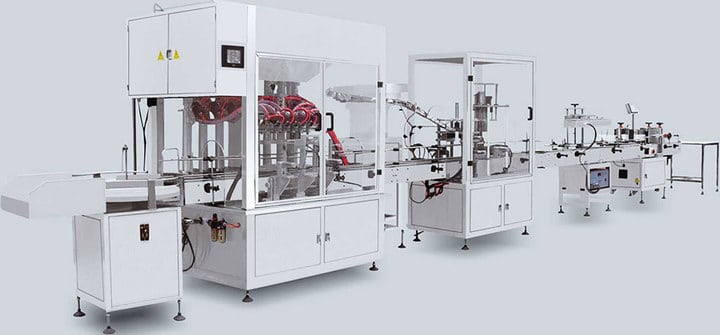
The Shuliy yogurt filling machine represents the final critical stage in commercial yogurt production - the transformation of freshly fermented yogurt into attractively packaged products ready for consumer distribution. This high-efficiency yogurt packaging machine automatically dispenses yogurt into bottles, cups, or containers with precise portion control, ensuring consistent fill weights and attractive presentation. In an industry where presentation and portion accuracy directly impact consumer perception and profitability, investing in reliable automatic filling equipment is essential for yogurt producers seeking to scale their operations while maintaining consistent product quality. The automatic yogurt filling machine integrates seamlessly into complete yogurt production lines , providing the precision and efficiency that modern dairy processing requires.
High Efficiency: 700-900 cups/hour | PLC Automatic Control | Multi-Product Compatibility | CE Certified
Why is a Yogurt Filling Machine Essential?
For most yogurt producers, the journey from raw milk to finished product culminates in packaging. After fermentation produces fresh yogurt with perfect texture and flavor, the filling and packaging stage determines how the product reaches consumers. Manual filling methods present numerous challenges: inconsistent portion sizes that frustrate customers, slow production rates that limit output, hygiene concerns from human contact with exposed product, and significant labor costs that erode profitability as volumes increase.
The yogurt filler equipment addresses these challenges by automating the filling process. A single operator can manage the entire filling line, dramatically increasing production throughput while ensuring consistent, precisely measured portions in every container. Packaged yogurt offers significant advantages over bulk sales: easier transportation, extended shelf life through sealed packaging, convenient portion control for consumers, and the ability to add branding and product information that builds consumer trust and brand recognition.
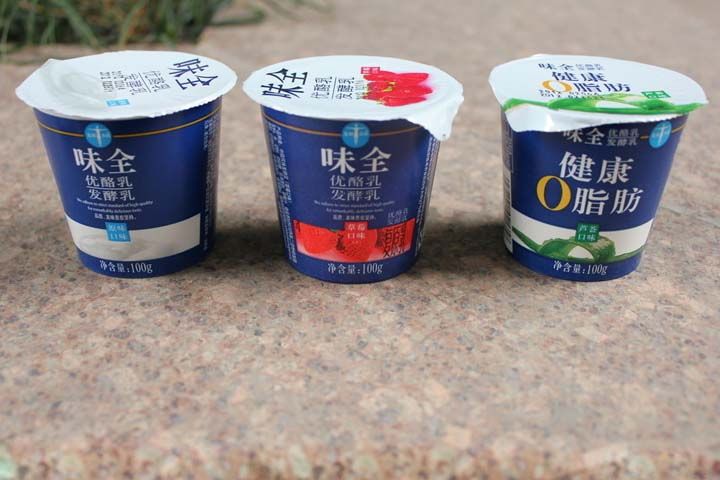
Types of Yogurt Filling Machines: Choosing the Right Solution
Understanding the different types of filling machines helps you select the optimal equipment for your production requirements:
Filling Machine Types Comparison
| Type | Speed | Best For | Price Range | Operator Required |
|---|---|---|---|---|
| Semi-Auto | 300-500 cups/hr | Startups, small batches | $2,000-$5,000 | 2-3 persons |
| Linear Auto | 500-1500 cups/hr | Small-medium production | $5,000-$15,000 | 1-2 persons |
| Rotary Auto | 1500-4000 cups/hr | Medium-large production | $15,000-$40,000 | 1 person |
| High-Speed Rotary | 4000-12000 cups/hr | Industrial scale | $40,000-$100,000+ | 1 person |
Why Rotary Filling Machines Dominate Commercial Yogurt Production
Rotary filling machines have become the industry standard for commercial yogurt production due to:
- Continuous Production: Unlike linear machines that stop at each station, rotary machines rotate continuously, achieving 3-5x higher throughput
- Superior Portion Control: Rotational positioning ensures each cup receives exactly the programmed fill volume with +/- 1% accuracy
- Integrated Operations: Multiple stations (filling, sealing, capping) operate simultaneously on the same rotating platform
- Reduced Footprint: Rotary design requires 40% less floor space compared to linear configurations with equivalent output
Introduction of the Yogurt Filler Machine
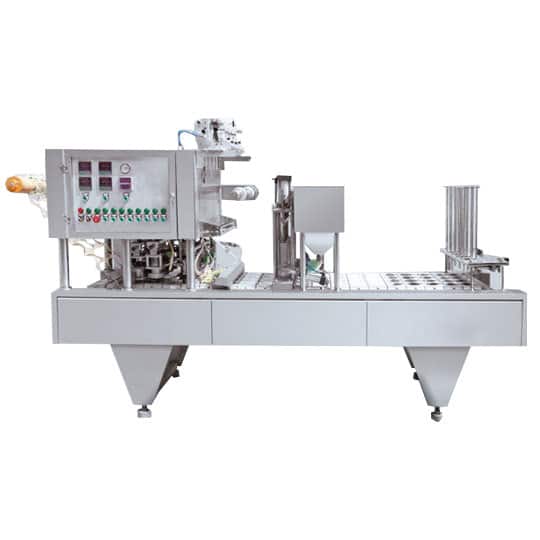
With a reasonable and compact structure, this efficient yogurt packaging machine achieves a high degree of automation that minimizes operator intervention while maximizing production efficiency. The machine integrates multiple functions into one cohesive system, significantly reducing the equipment footprint compared to separate filling and sealing machines. This compact design is particularly valuable for facilities with limited floor space, allowing smaller operations to achieve professional-grade packaging capabilities.
Machine Components and Functions
The machine is primarily composed of the following precision-engineered components:
- PLC Control System: The brain of the machine, continuously monitoring and controlling the entire filling process with precision timing and portion accuracy
- Feeding Hopper: Large-capacity hopper that holds yogurt before dispensing, maintaining product temperature and preventing contamination
- Rotary Filling Plate: Precisely positions containers under filling nozzles and moves them through the filling station
- Conveyor System: Transport belt that moves containers through the filling, sealing, and discharge stations
- Pneumatic Devices: Provide the precise mechanical motion required for filling valves and container handling
- Cup Adding Device: Automatically feeds empty cups or containers into the filling line
- Automatic Sealing Device: Applies and seals lids or foil covers onto filled containers
- Machine Frame and Motor: Provides the sturdy, durable structure that supports all components
How the Yogurt Filling Machine Works
Understanding the operation sequence helps operators maximize efficiency and troubleshoot issues when they arise:
Operation Sequence
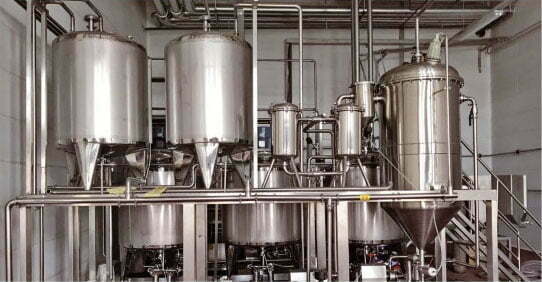
- Connection Setup: Connect the filler machine to the yogurt fermentation tank using sanitary pipes and a food-grade pump. This direct connection prevents contamination by eliminating transfer steps.
- Product Loading: When fermentation completes, start the pump to transfer plain yogurt from the fermentation tank into the filler machine’s feed hopper. The hopper maintains product temperature to ensure proper flow characteristics during filling.
- Container Feeding: Empty cups or bottles are automatically loaded into the filling machine’s feed station. The cup adding device ensures consistent spacing and alignment for accurate filling.
- Precise Filling: Containers pass under filling nozzles that dispense exactly the programmed amount of yogurt. The PLC controls filling time and valve operation for precise portion control, ensuring every container receives the correct weight.
- Automatic Sealing: Filled containers move to the sealing station where lids or foil covers are automatically applied and heat-sealed. This creates an airtight seal that protects product freshness and prevents leakage during transport.
- Container Discharge: Sealed packages exit the machine onto the conveyor, which transports them to the packaging or cold storage area. The continuous flow ensures efficient handling of high production volumes.
Technical Principles of Filling Accuracy
The precision of automatic filling depends on three key factors:
Filling Speed: Controlled by pneumatic valves that open/close in milliseconds, regulated by the PLC based on desired volume Backpressure Control: Maintains consistent pressure in the hopper to ensure uniform flow regardless of product level Nozzle Design: Specialized nozzles prevent dripping and ensure clean container rims after filling
The yogurt injection volume can be customized to meet specific requirements, as can the cup and bottle volumes. This flexibility allows producers to offer multiple product sizes using the same equipment, maximizing return on investment while responding to diverse market demands.
Shuliy vs. Competitors: Technical Comparison
| Feature | Shuliy YF-700 | Typical Competitor |
|---|---|---|
| Filling Speed | 700-900 cups/hr | 500-700 cups/hr |
| Fill Accuracy | +/- 1% | +/- 3-5% |
| Voltage | 220V/50Hz (customizable) | 380V only |
| Power Consumption | 1.0 kW | 1.5-2.0 kW |
| Air Pressure Required | 0.6-0.8 MPa | 0.8-1.0 MPa |
| Hopper Capacity | 200L (larger) | 50-100L |
| Sealing Type | Heat seal + mechanical | Heat seal only |
| Container Range | 100-2000ml | 100-1000ml |
| Changeover Time | 15-30 minutes | 45-60 minutes |
| Machine Weight | 500 kg (heavier duty) | 300-400 kg |
| Warranty | 2 years | 1 year |
Packaging Options for Yogurt
After decades of research and development combined with direct feedback from customers across global markets, Shuliy provides versatile yogurt filling methods to accommodate various packaging preferences and market requirements:
Packaging Types
| Type | Best For | Advantages | Material Cost | Consumer Appeal |
|---|---|---|---|---|
| Cup (Plastic) | Retail, single-serve | Convenient, stackable | Low | High |
| Cup (Paper) | Premium, eco-conscious | Sustainable, printable | Medium | Very High |
| Bottle | Drinking yogurt, family | Easy pour, resealable | Medium | High |
| Tub | Greek yogurt, premium | Thick product capable | Medium | High |
| Bag | Bulk, food service | Lowest cost | Very Low | Medium |
Recommended Packaging by Market
- Middle East: Large family-size cups (500-1000ml)
- Southeast Asia: Small single-serve cups (100-150ml)
- Europe: Premium paper cups with sustainable materials
- Africa: Affordable plastic cups and bags
- Americas: Greek-style tubs and drinkable bottles
Key Benefits of Automatic Yogurt Filling
| Benefit | Manual Filling | Automatic Filling | Improvement |
|---|---|---|---|
| Production Speed | 60-100 cups/hr | 700-900 cups/hr | 7-10x faster |
| Labor Cost per Cup | $0.05-0.10 | $0.01-0.02 | 75-80% reduction |
| Portion Consistency | +/- 15% | +/- 1% | 15x more consistent |
| Contamination Risk | High | Very Low | 95% reduction |
| Daily Output (8hr) | 500-800 cups | 5,600-7,200 cups | 10x increase |
Economic Analysis: ROI Calculation
For a yogurt producer currently using manual filling:
Current State:
- Manual filling: 100 cups/hour
- Labor cost: $10/hour
- Daily production: 8 hours
- Cups per day: 800
With Shuliy Automatic Filler:
- Automatic filling: 800 cups/hour
- Labor cost: $10/hour (1 operator)
- Daily production: 8 hours
- Cups per day: 6,400
Annual Savings (300 production days):
- Labor: 1 operator vs 8 operators = $21,000 saved
- Increased production: 5,600 extra cups/day x $0.50 margin = $840,000 potential revenue increase
- Waste reduction: 3% vs 0.5% = $5,000 saved
- Total annual benefit: $866,000
Equipment Investment: $15,000-25,000 Payback Period: Less than 1 month
Key Benefits Summary
- High Efficiency: Produces 700-900 cups per hour, dramatically increasing production capacity compared to manual filling operations that typically achieve 60-100 cups per hour per worker
- Consistent Portion Control: Every container receives precisely the same amount of yogurt, eliminating customer complaints about inconsistent portion sizes and ensuring accurate labeling declarations
- Improved Hygiene: Closed-system filling prevents human contact with exposed yogurt, significantly reducing contamination risk and extending product shelf life
- Labor Cost Reduction: One operator can manage the entire filling line, reducing labor costs by 60-80% compared to manual filling operations
- Versatile Container Compatibility: Handles various container shapes and sizes with simple adjustments, allowing quick changeovers between different products
- Compact Footprint: Integrated design requires less floor space than separate filling and sealing equipment, ideal for facilities with space constraints
Operating Best Practices
Follow these guidelines to maximize equipment performance and product quality:
Temperature Management
Maintain yogurt at 15-25C during filling for optimal viscosity and flow characteristics. Too cold and yogurt becomes difficult to pump; too warm and texture may degrade. Recommended approach:
- Use jacketed hopper with temperature control
- Monitor viscosity with viscometer
- Adjust pump speed based on temperature
Container Inspection
Verify containers are clean and undamaged before use. Damaged or contaminated containers can compromise product safety and brand reputation. Implement visual inspection station or automated inspection system.
Regular Calibration
Check and calibrate portion settings daily to ensure consistent fill weights. Product density changes with temperature and formulation adjustments. Use precision scale for verification.
Hygiene Maintenance
Clean and sanitize the filling machine according to the CIP protocol after each production run to prevent bacterial contamination. Follow CIP procedures with proper detergent concentrations and temperatures.
Technical Parameters
| Parameter | Specification |
|---|---|
| Voltage | 220V/50Hz (customizable) |
| Power | 1.0 kW |
| Air Pressure | 0.6-0.8 MPa |
| Filling Speed | 700-900 Cups/Hour |
| Net Weight | 500 kg |
| Dimension | 1000 x 1000 x 1650 mm |
| Container Compatibility | Cups, bottles, bags (adjustable) |
| Fill Volume Range | 100ml - 2000ml (customizable) |
| Control System | PLC automatic control |
| Hopper Capacity | 200L |
| Sealing Method | Heat seal + mechanical |
Extended Specifications
| Parameter | Shuliy Advantage |
|---|---|
| Fill Accuracy | +/- 1% |
| Changeover Time | 15-30 minutes |
| Noise Level | < 75 dB |
| Operating Temperature | 10-40C |
| Relative Humidity | < 85% |
Maintenance Schedule
Daily Maintenance
After each production run, thoroughly clean the hopper, filling nozzles, and all product contact surfaces using approved dairy cleaning solutions. Check for any product buildup or residue.
Weekly Inspection
Check pneumatic connections for air leaks, inspect seals and gaskets for wear, and verify conveyor belt tension and alignment. Lubricate moving parts as needed.
Monthly Service
Lubricate moving parts according to manufacturer specifications, check electrical connections, and verify calibration accuracy. Inspect and replace worn seals if necessary.
Quarterly Maintenance
Complete inspection of all mechanical components, replacement of wear parts, and thorough cleaning of internal components. Calibrate sensors and verify safety interlocks.
Frequently Asked Questions
Q: Can the yogurt filling machine handle different viscosities of yogurt?
A: Yes, the machine can be adjusted to handle various yogurt consistencies from liquid-style to thick Greek yogurt. Adjustment involves modifying filling speed, nozzle size, and backpressure settings to accommodate different product viscosities.
Q: What is the typical payback period for automatic filling equipment?
A: For most operations, the payback period ranges from 8-14 months when considering labor savings, increased throughput, and reduced waste compared to manual filling methods. However, many clients achieve ROI in as little as 2-3 months due to rapid capacity increases.
Q: Can this equipment fill other dairy products besides yogurt?
A: The filling machine is versatile enough to handle various liquid food products including flavored milk, pudding, fruit puree, hummus, and similar pourable or pumpable products. Always ensure the product is compatible with food-grade equipment materials.
Q: How often do I need to replace wearing parts?
A: With proper maintenance, wearing parts typically last 3-6 months depending on production volume. Common wearing parts include seals, gaskets, and pneumatic components. We recommend keeping a spare parts inventory for minimal downtime.
Related Products
For complete dairy processing solutions, explore our complementary equipment:
- Yogurt Production Line - Complete turnkey solution where the filling machine is the final processing stage
- Yogurt Fermentation Maker - Produces fresh yogurt for filling and packaging
- CIP Cleaning System - Essential for maintaining hygiene in the filling machine